How might we support Black homeowners in sustaining homeownership and building generational wealth?
For many first-time homeowners in Minnesota, the journey doesn’t end at closing - that’s where the challenges often begin.
Minnesota’s disparities in homeownership are some of the widest in the nation. 76% of white households own their homes as compared to 30% of Black households. Black households also face a 30% to 50% likelihood of returning to renting.
Our goal is to address the persistent disparities in homeownership between households in the Twin Cities by providing critical post-purchase resources.
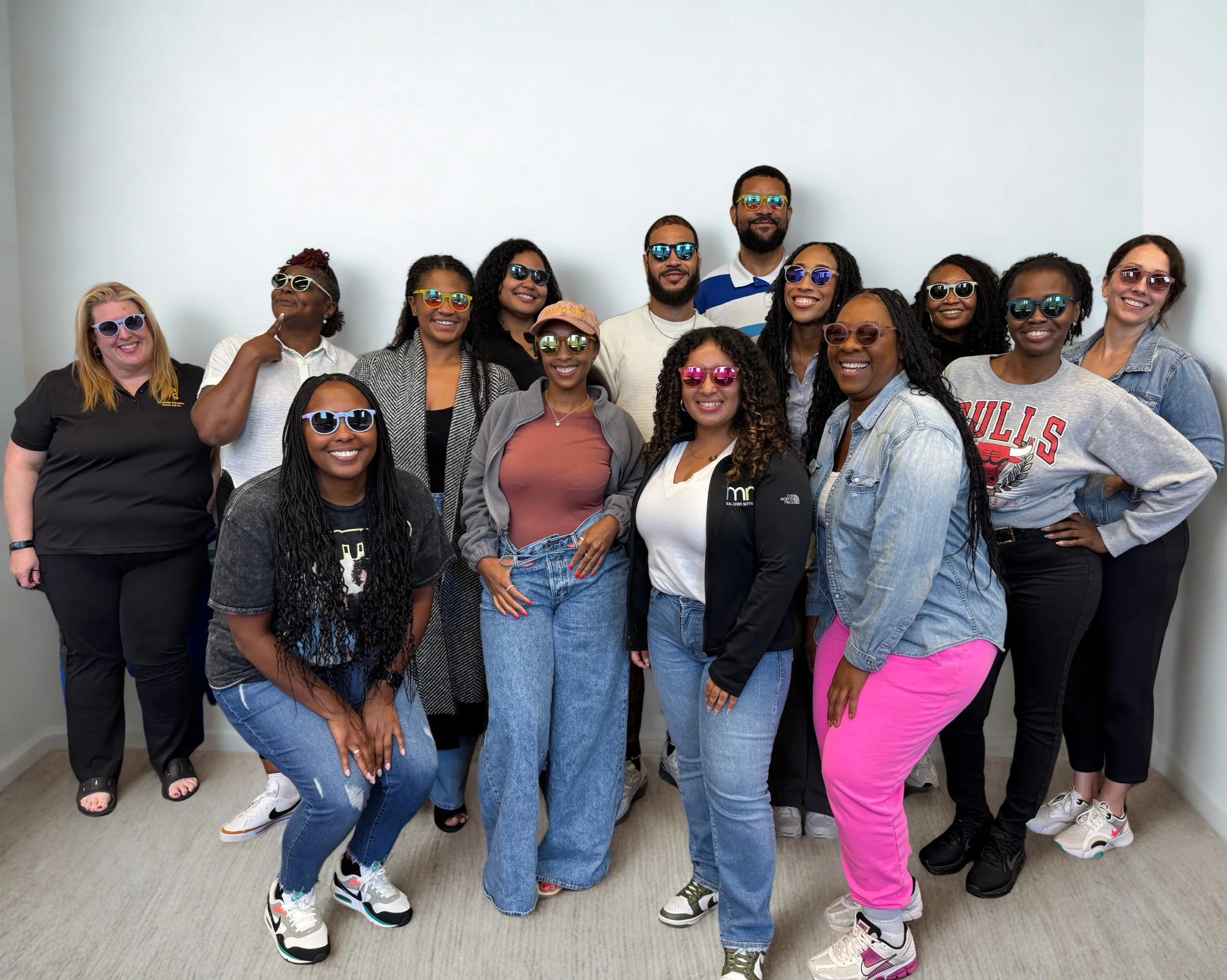
We supported seven collaborating organizations and homeowners in understanding what it would take to build a sustainable support system to help families stay in their homes and build generational wealth.

Landscape Analysis + Systems Mapping
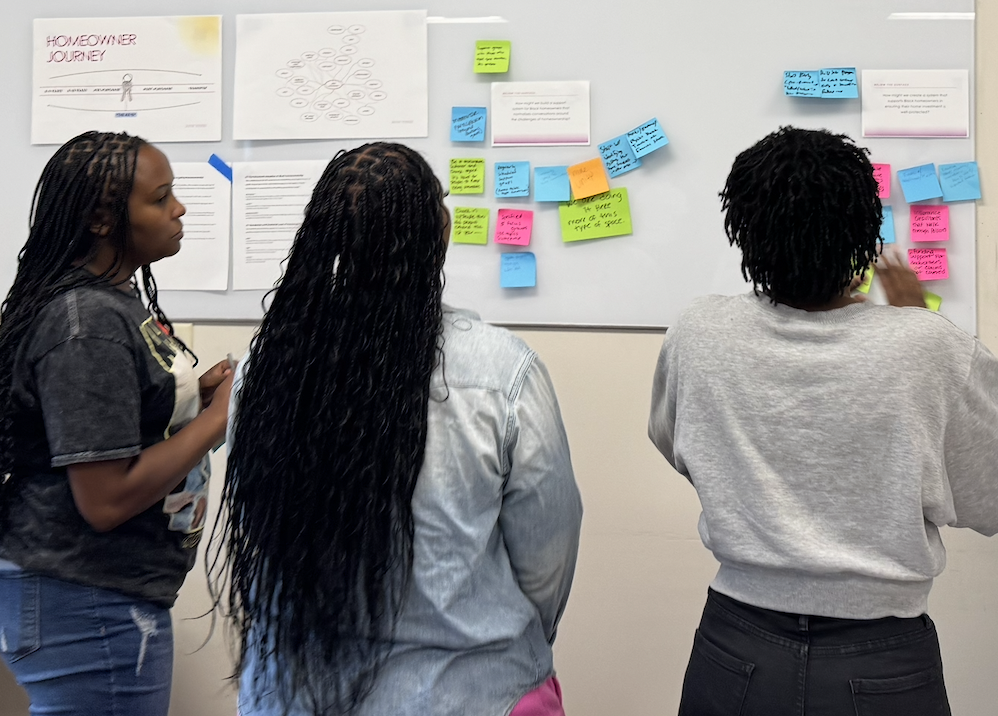
We performed secondary research to understand what post-purchase programs already exist across the United States. Then, we interviewed organizational representatives, along with program participants, to understand the success and challenges of these programs. We mapped the full system and provided critical insights that created a shared understanding across the collaborating organizations.
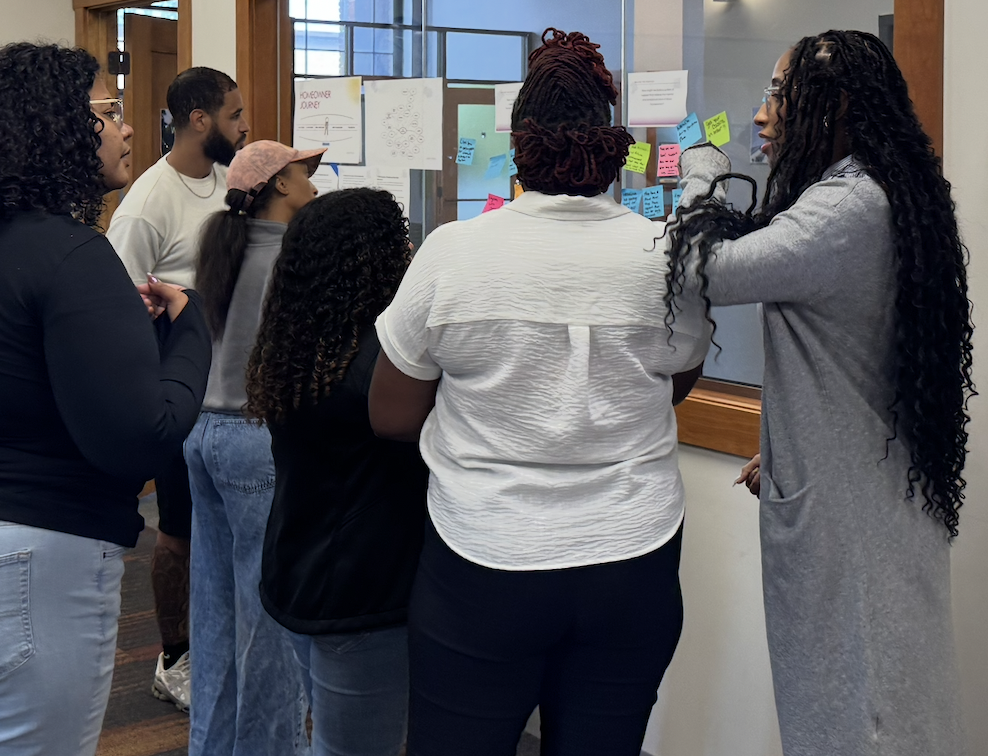
Cross-Stakeholder Co-Design Sessions
We interviewed homeowners which provided key insights that revealed emotional, logistical, and structural barriers. Based on these insights, we brought housing organizations and homeowners together to co-design the future of post-purchase support. Not only did it help everyone explore potential interventions, it became a healing experience that built trust, accountability, and shared purpose.
System of Interventions for Pilot
We developed an interactive webpage that centers homeowner voices and the changes they wish to see, shifting from assumptions to clear needs and desires. We also provided a Post-Purchase Support Framework that included a clear vision and direction for supporting homeowners, four prioritized concepts to pilot, and a connected and aligned collaborative.
The Impact
Cross-Organizational Approach
Seven organizations aligned around a shared strategy for post-purchase support, preventing redundancy and strengthening the overall system.
$1.4 Million in Funding
The group was awarded $1.4 million in funding to pilot the four interventions co-designed with homeowners and professionals over the next two years.
A Shared Narrative
Leaders and homeowners now speak with a unified message: Families do not fail at homeownership. The systems fails them, and together we can design impactful support.
“The Sustainable Homeownership Initiative will have ripple effects throughout the housing ecosystem.
I am so grateful for our work together.”
-Executive Director